When sound cannot reach the inner ear efficiently, hearing feels blocked. Conductive hearing loss is often temporary and treatable. Get a professional diagnosis, expert audiologist consultation, and the right treatment options from EliteListen hearing specialists.
Call Now for Free Hearing TestConductive hearing lossoccurs when sound cannot pass efficiently through theouter earormiddle ear. This blockage may be caused by earwax buildup, fluid behind the eardrum, ear infections, or problems with the tiny middle ear bones. Although the inner ear may function normally, sound cannot reach it properly, causing muffled or reduced hearing.
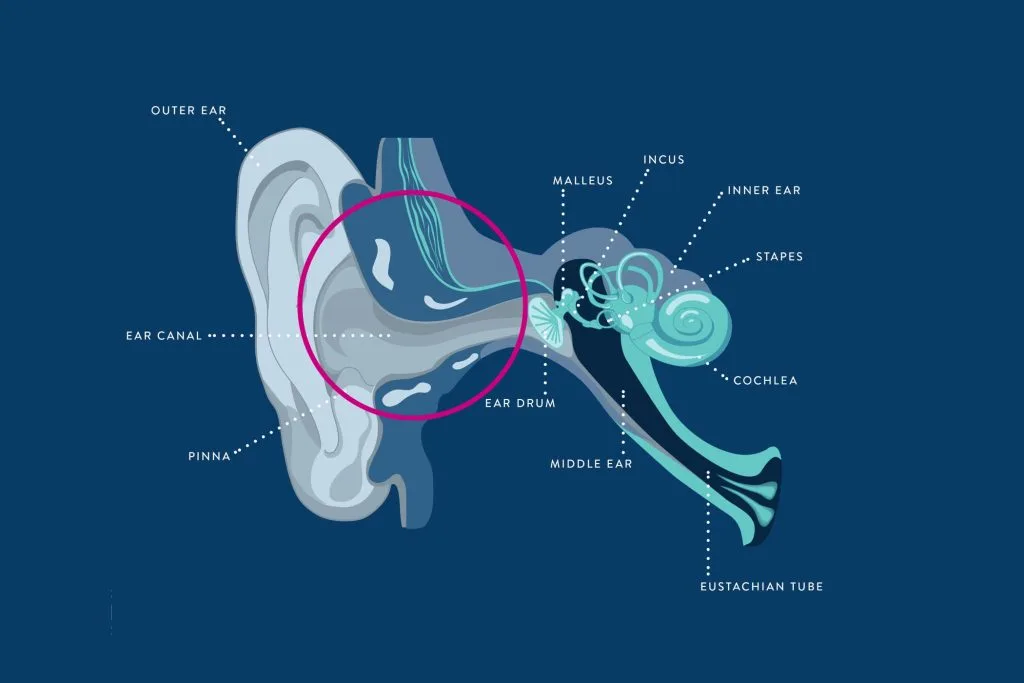
Several medical conditions can block sound from travelling through the ear canal or middle ear. Identifying the cause early helps audiologists recommend the right treatment and hearing care solution.
Excess earwax (cerumen) can block the ear canal and reduce sound transmission. Professional earwax removal often restores normal hearing quickly.
Fluid buildup from colds, allergies, or ear infections can prevent the eardrum from vibrating properly.
A perforated or scarred eardrum can reduce sound vibrations and lead to temporary or persistent hearing loss.
Conditions such asotosclerosisaffect the small middle ear bones (ossicles), limiting sound transfer to the inner ear.
Acute or chronic ear infections can cause inflammation, fluid buildup, and temporary conductive hearing loss.
Foreign objects, skin irritation, or swelling inside the ear canal can block sound waves from reaching the eardrum.
People with conductive hearing loss often experience a blocked or - underwater - sensation in the ear. Common symptoms include:
Speech sounds unclear or dull, especially at lower volumes.
A persistent feeling of blockage or pressure in one or both ears.
Pain may occur during infections or when wax builds up.
Fluid or drainage from the ear canal can indicate infection.
Hearing may feel worse on one side, especially in noisy environments.
People may raise the TV or phone volume to hear clearly.
A pure-tone audiometry test measures the softest sounds you can hear at different pitches. In conductive loss, the inner ear often hears better than what reaches it - this shows up as anair-bone gap. Your clinician uses the pattern to confirm the type of loss and plan treatment.
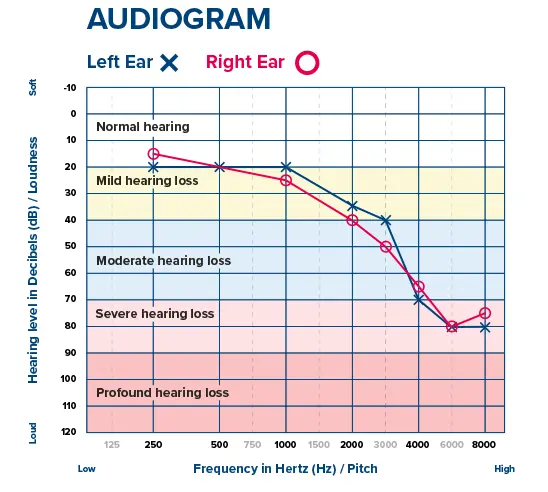
Mild:soft speech and whispers are harder to catch, especially with background noise.Moderate:everyday conversations feel muffled and you rely on higher volume. Both forms are highly treatable once the underlying blockage or middle-ear issue is addressed.
If sounds feel blocked or muffled, a quick hearing check can help. VisitEliteListen Hearing Carefor a professional evaluation with certified audiologists.
Call Now for Free Hearing Test
Early diagnosis prevents long-term issues. We will run a full hearing check and explain your results in plain language.
Hearing loss can occur in different parts of the ear. Understanding the differences betweenconductive hearing loss, sensorineural hearing loss, and mixed hearing losshelps determine the most effective treatment and hearing care solution.
| Type of Hearing Loss | Where the Problem Occurs | Common Causes | Treatment Options |
|---|---|---|---|
| Conductive Hearing Loss | Outer ear or middle ear | Earwax buildup, middle ear infections, fluid behind the eardrum, perforated eardrum | Medical treatment, earwax removal, minor procedures |
| Sensorineural Hearing Loss | Inner ear (cochlea) or auditory nerve | Aging, loud noise exposure, genetics, inner ear damage | Digital hearing aids or cochlear implants |
| Mixed Hearing Loss | Combination of outer/middle ear and inner ear damage | Ear infections with inner ear damage, otosclerosis, aging combined with conductive problems | Medical treatment plus hearing aids depending on diagnosis |
In most cases,conductive hearing loss is temporary and treatable. Common causes like earwax blockage, middle ear fluid, or minor eardrum issues can often be corrected with medical treatment. A professional hearing test helps determine the exact cause.
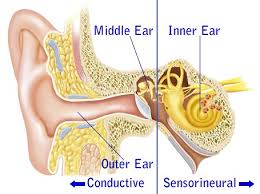
Conductive hearing lossoccurs when sound cannot travel properly through the outer or middle ear.Sensorineural hearing losshappens when the inner ear or hearing nerve is damaged. An audiologist can identify the difference through a detailed hearing test.
Yes, children can develop conductive hearing loss, often due tofluid buildup (glue ear)after colds or infections. Early diagnosis and treatment are important to prevent delays in speech and learning development.
If the condition cannot be corrected medically, hearing aids can significantly improve hearing clarity. In some cases,bone conduction hearing devicesare recommended by audiologists.
If you notice muffled hearing, ear pressure, or difficulty hearing conversations, you should schedule a hearing test. AtEliteListen Hearing Care, certified audiologists provide professional hearing evaluations and personalized treatment options.